



GARDEN TIME – VEGETABLE SEEDS AND PLANTS
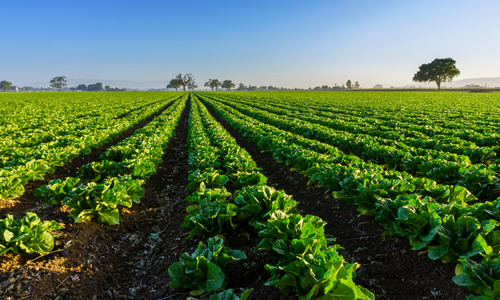
Its a great time to garden. If you are an old pro, or a beginner, Garvin’s has everything you need. We have container kits for those wanting to do small patio type gardening, and bulk material for those who plant big. Seeds can be purchased by the ounce, pound, or in bulk bags. We have the a complete line of ORGANIC GARDENING items by Fox Farms, and Espoma.
Vegetable Seeds and Plants Fertilizers, and Soil Conditioners
Fruit Trees and Bushes Flowers and Shrubs
Top Soil (bag and bulk), and Potting Soil Vermiculite and Perlite
Herbicides and Insecticides Pesticides and Fungicides
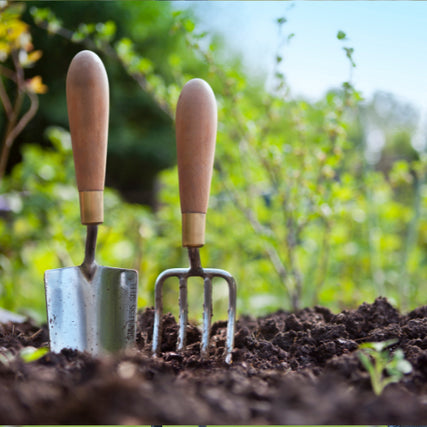
Gardening Tools, Carts, Gloves, Hats, Shoes, Boots, and much more.
NEW ARRIVAL CHICKS AND DUCKS
Which Type of Wood Mulch Is Best for Me?
With a wide range of wood based mulch to choose from, it can be difficult to decide which type to lay down over your garden beds. Here’s a list of the most common types, and why, or why not, you should choose these mulches for your landscaping needs.
- Bark Mulch is one of the most popular mulches around, because it looks so great once you put it down. It is also an excellent choice when it comes to water conservation, since it provides a solid barrier against moisture evaporation. The one downside of this mulch is its size. Most bark mulch comes in large chips, which decompose slowly. If you can find bark that’s been shredded, go that route. Shredded bark will not only trap moisture in your flower beds better than large chips, but since it decomposes quicker, it more readily adds nutrients to the soil as well.
- Hard Wood Colored Mulch (Black, Brown, Red).
- Cedar Mulch is the cream of the crop. Because cedar mulch has natural oils in the wood that repel insects, it’s the perfect choice for wood mulch, especially in areas where termites are common. Cedar mulch is going to be a little more costly initially, but it’s well worth the extra expense when you consider its pest repellant properties.
You too can Grow an Italian Herb Garden
Italy is said to have some of the best cuisine in the world and, at the heart of that cuisine are their famous herbs. Growing your own organic Italian herb garden is sure to be rewarding and delicious. Whether indoors or outdoors, as additions to your vegetable garden or on their own, Italian herbs are a delight to both grow and eat.
You may already be familiar with a number of Italian herbs. There is a good chance that you have some Italian herbs growing in your garden and an even better chance that there are some in your kitchen. Basil, fennel, rosemary, oregano, and parsley are all household names in Italy and around the world.
How to Plant and Grow Fresh Basil
Basil may be the most well known Italian herb. Basil is an annual warm-season herb that is sensitive to cold weather. While you may be familiar with dried basil, enthusiasts will tell you that nothing compares to a few fresh basil leaves. Basil is relatively easy to grow and makes a great addition to your vegetable garden. Grow basil next to your peppers or tomatoes, basil is said to improve the flavour of its neighbouring plants. Basil is also said to repel flies and mosquitoes!
When planting basil, pick a site with full sun. Basil prefers warm to hot weather and a pH of 5.5-7.0. Basil can be planted in pots as well as directly in the ground; requires low watering and should be propagated by seed. Basil’s most common enemies are the Japanese beetle, slugs and snails. Start seeds inside and transplant when a few inches tall.
To avoid an infestation of slugs and snails, line your garden with copper strips or wire mesh. The charge that builds up on the copper surface, repels both pests away from your garden as they are unable to move across it.
Basil must be pinched back as it begins to flower as once it flowers it loses flavour. Pruning back the flowers will also encourage it to grow bushier. Leaves should be cut in the morning after the dew has dried. Do not wash basil leaves, as they will lose their flavour.